

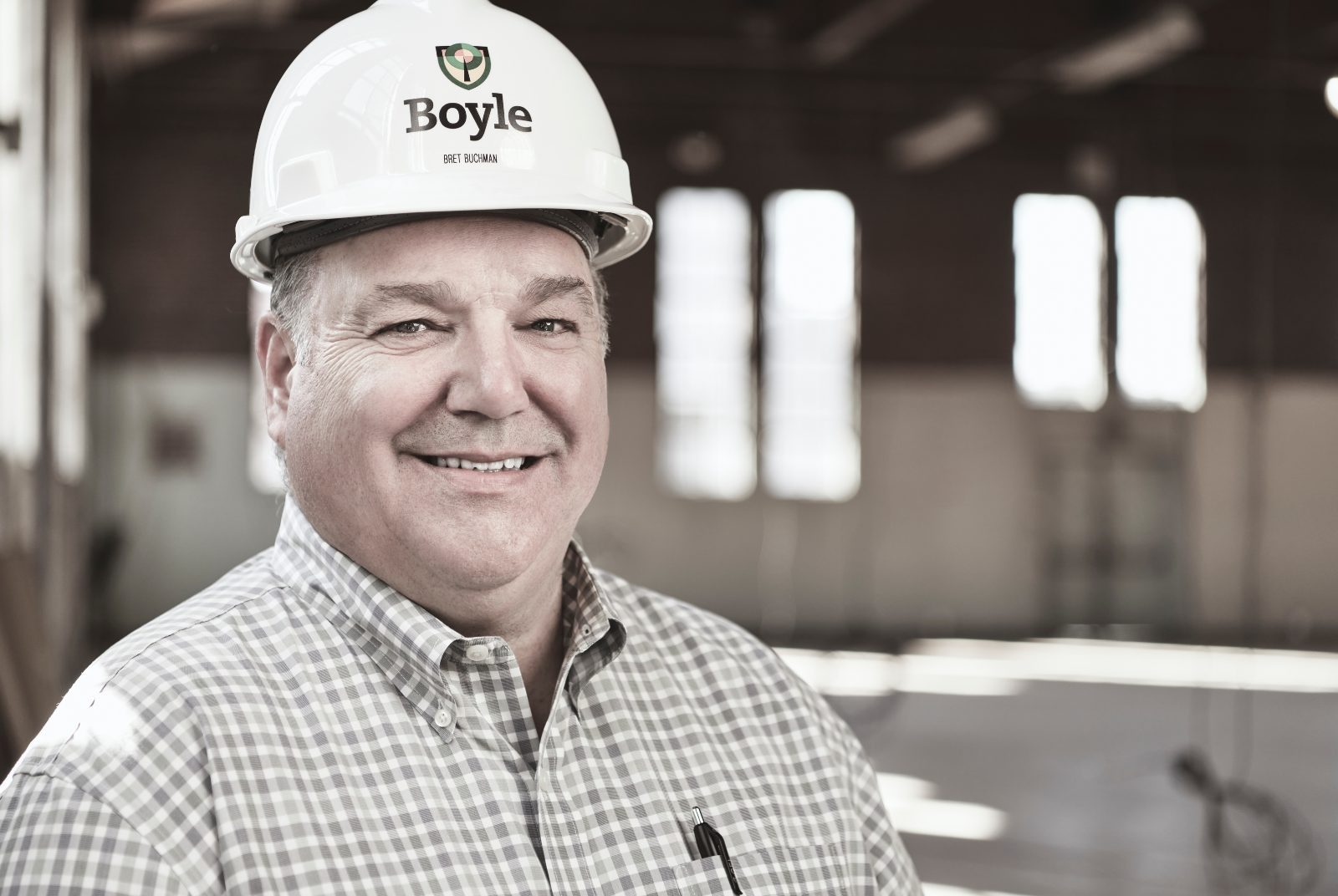
Bret Buchman brings more than 30 years of healthcare facilities experience to Boyle’s team, including the perspective of someone who has been on the owner’s side. He understands how decisions made early can affect operations, compliance, budgets, schedules, and, ultimately, patient care.
That background shapes the way he approaches every project. He looks for the issues that could slow a project down later, including vendor coordination, end-user needs, drawing conflicts, and regulatory requirements. He helps the team solve them before they reach the field.
Q: What keeps you engaged in healthcare construction?
A: Every healthcare project is different, and that keeps the work interesting. There is always something to solve, whether it is how a space will function for the care team, how patients will move through it, or how construction can happen without disrupting daily operations. Because I have worked on the owner’s side, I tend to look at the project through that lens. If something will not work once the space is operational, I want to catch it early, while it can still be addressed in design instead of in the field.
That is why early conversations matter. The more we understand how doctors, nurses, staff, patients, and vendors will use the space, the better we can help the team make practical decisions before construction begins.
Q: How does early involvement make a difference on healthcare projects?
A: Early involvement helps the whole project move with more confidence. We can review drawings closely, coordinate with end users and vendors, identify code and DOH considerations, and test key spaces through BIM and mock-ups before work starts in the field. That helps reduce changes later and supports a faster path to first patient day.
It also helps create more realistic budgets. When we understand the operational needs, regulatory requirements, and construction details early, we can give clients a clearer picture of what the project will take and where decisions may affect cost or schedule.
Q: What makes healthcare construction different from other types of projects?
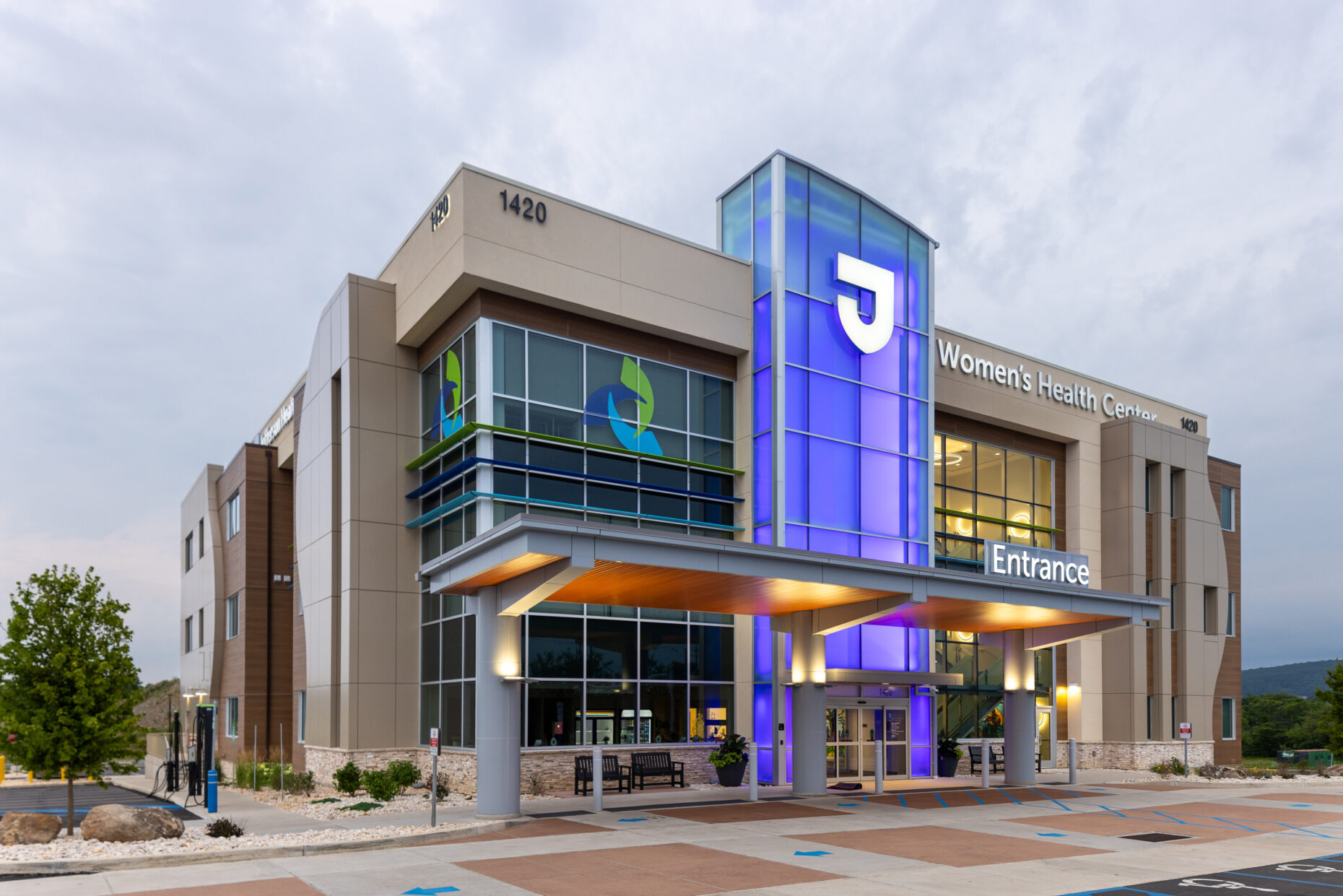
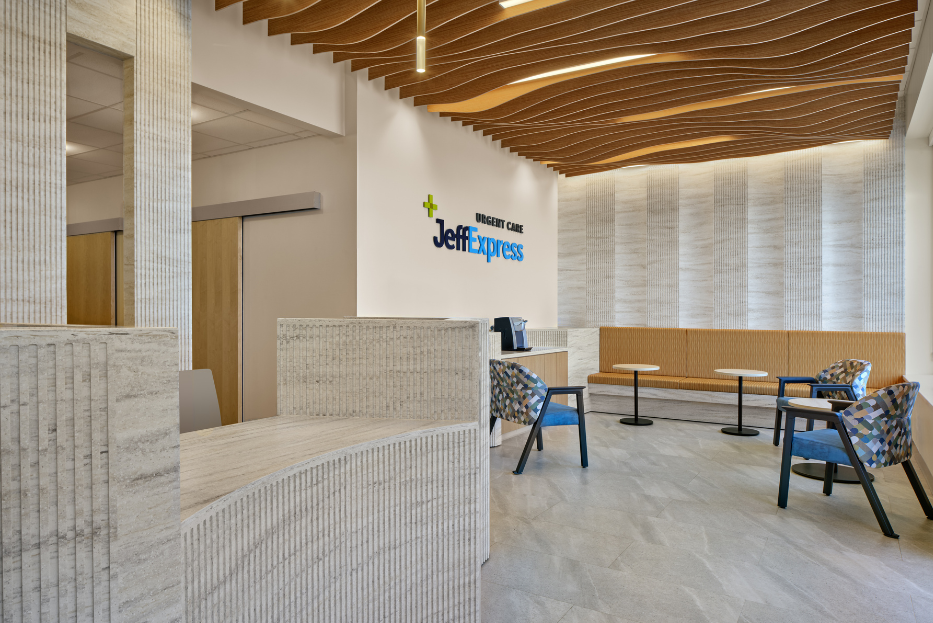
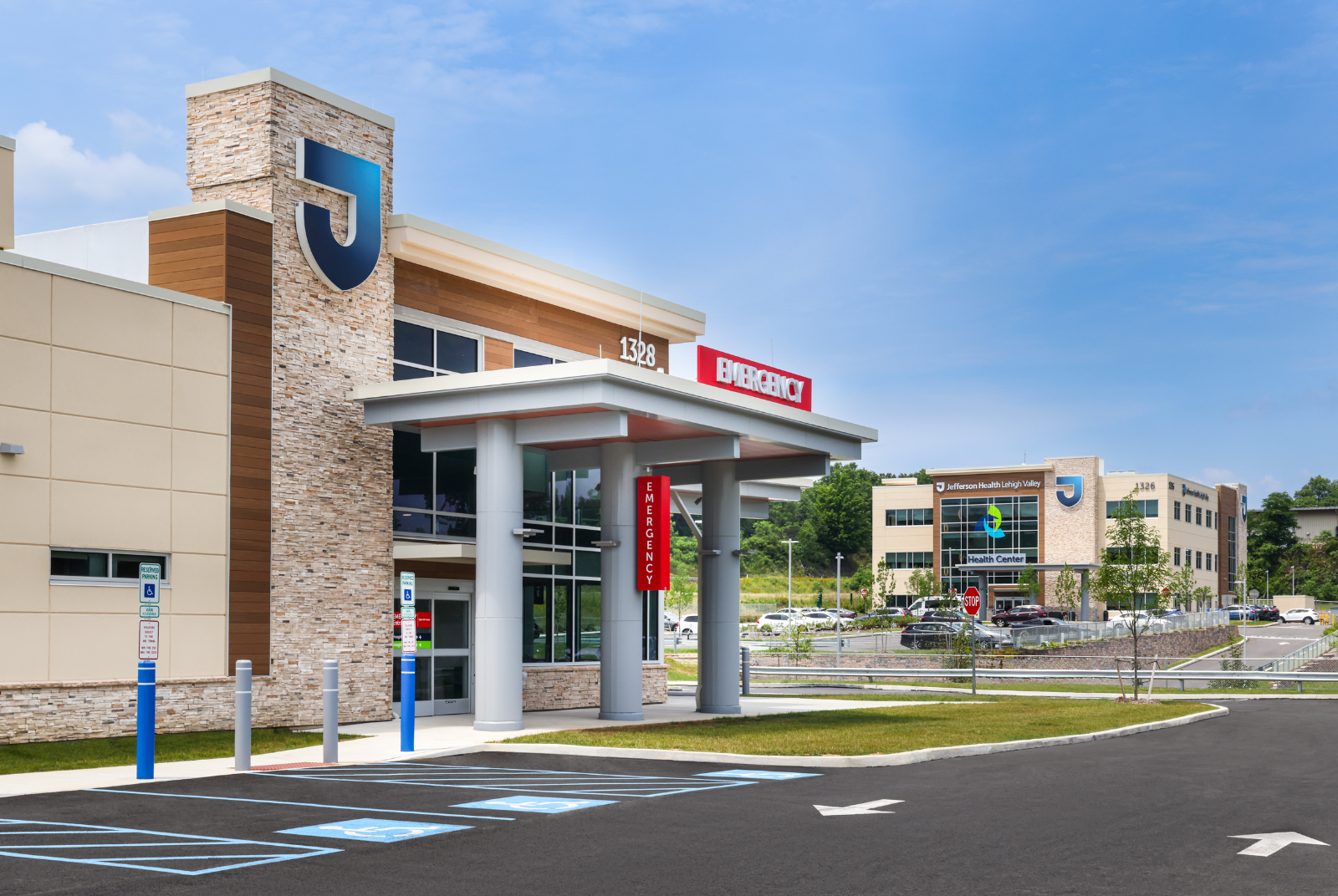
A: Healthcare construction has a lot of moving parts, especially inside an active facility. You are working around patient safety, infection control, staff access, shutdowns, noise, dust, vibration, and daily operations. Our experience with ICRA in hospital settings helps us plan that work carefully, communicate clearly, and reduce disruption for the people using the building every day.
There is also the regulatory side. DOH approvals and inspections can affect when a facility opens, so we plan for those requirements early. The goal is to be prepared, avoid surprises, and keep the project moving toward first patient day.
Q: What does success look like on first patient day?
A: Success means the space is ready to support patient care from the start. The care team knows how the space works, the building is operating safely, and construction has not created unnecessary disruption. When we plan well early, day one is much smoother.
For us, that is the point: deliver a space that works as intended so the care team can focus on patients, not construction.
Q: Is there a project that stands out to you?
A: It’s hard for me to choose just one project because each one has taught me something different. What stands out to me most isn’t a specific building. It’s the opportunity every project provides to learn, improve, and build stronger relationships.
At the end of each project, our team takes time to reflect on what went well and what we can do better. I enjoy carrying those lessons into the next opportunity and finding ways to improve the client experience. One of the biggest things I’ve learned since joining Boyle is the value of strong client relationships. When clients trust you, communication is easier, collaboration is stronger, and projects run more smoothly. That’s what makes a project memorable to me.
Learn more about Boyle’s projects here.
The Boyle360 Advantage
Boyle360 is an early-stage project partnership from Boyle Construction that brings collaboration, owner-side insight, and strategic planning into your project before design begins, helping you make smart decisions, control costs, and reduce risk.
Learn More